
Personal injury law · Fort Lee, NJ
New Jersey Accident Lawyer Raffi T. Khorozian
Raffi T. Khorozian, Esq. (center) with the firm's staff.
Hurt in a New Jersey crash? Raffi T. Khorozian handles the insurance claims and, if it comes to that, the lawsuit, so you can focus on getting better.
- Free consultation
- Handling injury cases since 1993
- Raffi handles your case personally
- English and Spanish
Free case review
Tell Raffi what happened. The consultation is free.
- Raffi handles your caseRaffi is the lawyer on your file from the first call to the end of the case.
- Injury cases since 1993More than three decades of New Jersey personal-injury work, including thousands of motor vehicle accident cases.
- Call any time, 24/7Crashes don't keep office hours. Call 855-RAFFI-25 day or night, any day of the year.
- English y españolThe firm serves clients in English and Spanish.
How Raffi can help
The firm focuses on people hurt in motor vehicle crashes across New Jersey.
- Car accidentsPIP, the lawsuit threshold and claims against the other driver.Read more →
- Truck accidentsCommercial trucks, delivery vans and the companies behind them.Read more →
- Motorcycle accidentsInjuries to riders and the coverage questions that follow.Read more →
- Bicycle and e-bike accidentsCyclists, e-bikes and e-scooters hit by cars.Read more →
- Pedestrian accidentsPeople struck in crosswalks, parking lots and on the street.Read more →
- Uber, Lyft and delivery-app accidentsPassengers, drivers and others hurt in app-based rides.Read more →
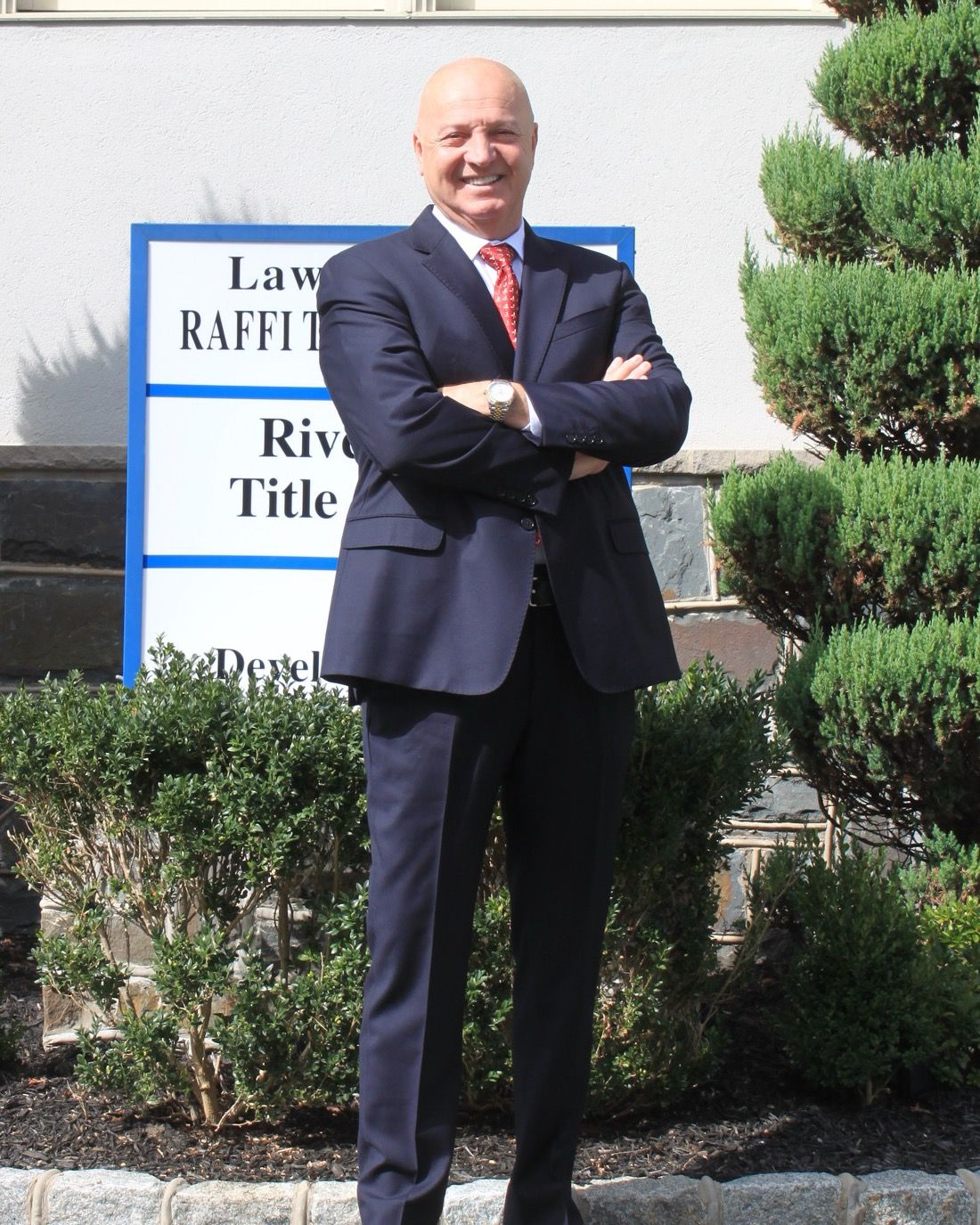
Your attorney
Raffi T. Khorozian, Esq.
Raffi has handled personal-injury cases since 1993, including thousands of motor vehicle accident cases. He handles each client's case personally, so you deal with your lawyer, not a call center.
What you get
- A free consultation
- A contingency fee: no attorney's fee unless money is recovered for you
- The option to pay hourly instead, if you prefer
- Free house calls, at your request, if you can't come to the office
- Meeting locations across New Jersey, by appointment
- Help in English or Spanish
How it works
- Call or send a messageReach the firm any time, 24/7, at 855-RAFFI-25 or through the form.
- Free consultationMeet at the Fort Lee office, at a meeting location by appointment, or at your home if you can't travel.
- Raffi takes it from thereHe handles your claim personally and explains each step in plain language.
Just had a crash? Do this first
- Get medical care, even if you feel fine. Some injuries show up later.
- Call the police so there is a crash report.
- Take photos of the cars, the scene and your injuries, and get witness names.
- Tell your own insurer about the crash, but don't give a recorded statement to the other driver's insurer.
- Call Raffi before you sign anything.
How a New Jersey crash claim works
New Jersey is a no-fault state, so most crash cases run on two tracks. Your own policy’s Personal Injury Protection (PIP) pays your medical bills first, no matter who caused the crash.
A second claim, against the at-fault driver’s insurer, can cover what PIP doesn’t. That can include pain and suffering, if your injury meets the lawsuit option you chose on your policy.
Raffi works out which coverage applies, deals with the adjusters, and explains in plain language what your policy allows. The car accident page goes through each step.
How fees work
Your first consultation is free. If you hire the firm on a contingency fee, there is no attorney’s fee unless money is recovered for you. If there is no recovery, you may still be responsible for case costs, as explained in your retainer agreement.
You may also choose to pay hourly. Either way, Raffi goes over the written agreement with you before you decide.
Guides for injured New Jerseyans
All guides- What Evidence Supports a Car Accident Claim in New Jersey?Photos, the police report, witnesses, medical records and lost-income proof: the proof that carries a New Jersey crash claim, and how to keep it.Read the guide →
- How Long Do You Have to Sue After a NJ Car Crash?New Jersey's main deadlines after a crash: two years for an injury lawsuit, a 90-day notice for claims against public entities, and the exceptions.Read the guide →
- Should You Give the Insurer a Recorded Statement?The other driver's insurer may ask for a recorded statement after a New Jersey crash. What you have to say, what you don't, and how to handle the call.Read the guide →
16 locations in 7 counties
The main office is in Fort Lee, with meeting locations across New Jersey by appointment.
Common questions
All questionsWhat is PIP in New Jersey?
Personal injury protection, or PIP, is the part of your own auto policy that pays medical bills after a crash, no matter who caused it. New Jersey is a no-fault state, so your own insurer usually pays for your treatment first. See [the guide to PIP and medical bills](/blog/who-pays-medical-bills-car-accident-nj/).
How much PIP coverage do I have?
It depends on what was chosen when the policy was bought. A standard New Jersey policy carries $250,000 in PIP medical coverage per person unless a lower option was picked, and the lowest option is $15,000. Your declarations page shows the amount, any deductible and co-pay, and whether you made your health insurance pay first. More in [the medical bills guide](/blog/who-pays-medical-bills-car-accident-nj/).
Who pays my medical bills if I was hit while walking?
In New Jersey, a pedestrian's PIP generally comes from their own auto policy or from one belonging to a relative they live with. If no one in the household has a policy, the policy on the vehicle that struck them often pays. See [pedestrian accidents](/pedestrian-accident-lawyer/).
What is the 'limitation on lawsuit' option?
Also called the verbal threshold, it is a choice on most New Jersey auto policies. If your policy has it, you can sue the driver who caused the crash for pain and suffering only if your injury fits one of the categories set by law. The 'no limitation' option keeps that right for any injury but costs more. See [car accidents](/car-accident-lawyer/).
Which injuries meet the lawsuit threshold?
The statute lists six: death, dismemberment, significant disfigurement or scarring, a displaced fracture, loss of a fetus, and a permanent injury, meaning a body part or organ that has not healed and will not heal to normal function. A permanent injury has to be shown with objective medical proof. Read more on the [car accident page](/car-accident-lawyer/).
Hurt in a crash? Talk to Raffi today.
The consultation is free, and you can call any time, 24/7.